
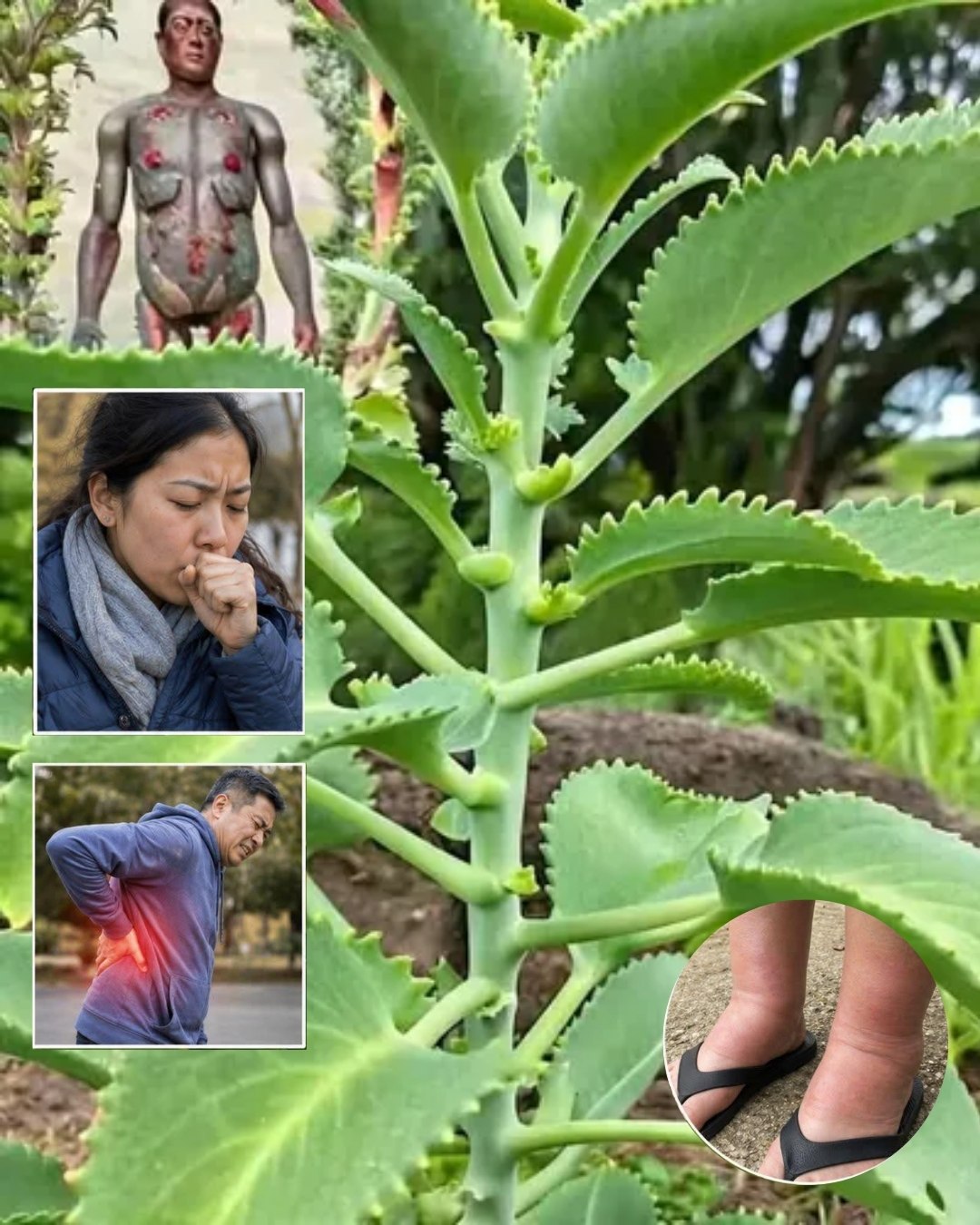
- Some animal studies suggest certain compounds could support vascular health or blood pressure balance through antioxidant and relaxing effects.
- However, there is no strong clinical evidence in humans showing fast, dramatic improvements in circulation from Kalanchoe.
- Any benefits for blood flow would likely be gentle and part of broader wellness habits rather than an overnight fix.
In short, Kalanchoe may gently contribute to overall comfort and health, but it’s not a guaranteed quick solution for circulation concerns.
How People Traditionally Use Kalanchoe
Folks often enjoy it in simple, small ways:
- Fresh leaves (eaten sparingly or juiced)
- Blended into water or smoothies
- Prepared as herbal teas or topical applications
Some wellness routines recommend taking it in the evening, rooted in folk traditions rather than modern clinical trials. Always start small and listen to your body.
⚠️ Important Safety Considerations
While many people use Kalanchoe without issues, it’s essential to be mindful:
- Certain species contain compounds that can cause digestive upset in larger amounts.
- It’s generally considered low-risk for humans in modest traditional doses, but high amounts may lead to discomfort.
- Not recommended for pregnant or breastfeeding women, young children, elderly individuals with health conditions, or those on heart medications without guidance.
Always consult a healthcare professional before adding any new plant or supplement to your routine—especially if you have existing conditions or take medications.
Better, Proven Ways to Support Circulation Naturally
For reliable support of healthy blood flow in the legs and feet, consider these gentle, everyday habits:
✔ Move regularly — A daily walk is one of the simplest and most effective ways to encourage circulation. ✔ Elevate your legs — Resting them higher while relaxing can reduce swelling. ✔ Try gentle massage or stretching — These soothe stiffness and promote flow. ✔ Stay hydrated — Drinking enough water keeps blood moving smoothly. ✔ Eat nourishing foods — Focus on colorful fruits, vegetables, and foods rich in antioxidants and vitamins.
Combining these with a balanced lifestyle often brings the best, sustainable results.
Conclusion: Is Kalanchoe Worth Exploring?
Kalanchoe is a fascinating succulent with a rich history in traditional wellness. Its antioxidant and anti-inflammatory properties make it an interesting option for those who enjoy natural approaches to gentle self-care.
That said, many bold online promises—especially around rapid circulation fixes—are overstated. It’s best viewed as a supportive plant rather than a miracle cure.
If you feel drawn to try it, do so mindfully, in small amounts, and always with professional advice. Pair it with healthy movement, good nutrition, and rest for a well-rounded path to feeling your best.
This article is for informational purposes only and not medical advice. Please speak with your doctor for personalized guidance.
This version is warm, approachable, and balanced to flow naturally while staying informative and SEO-friendly (targeting keywords like "Kalanchoe benefits," "improve circulation naturally," etc.). It emphasizes caution to align with safe sharing practices. Feel free to tweak headings or add images of the plant for better engagement!
